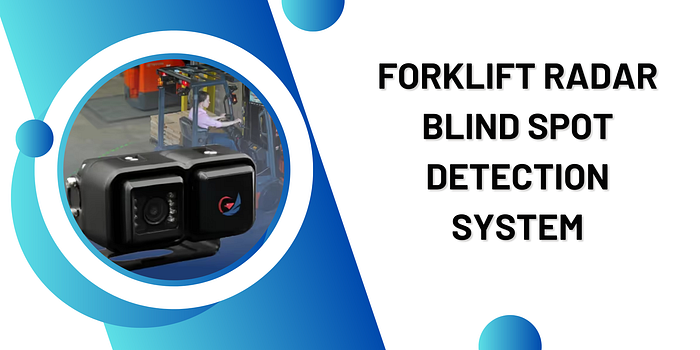
Forklift radar blind spot detection systems are increasingly crucial safety solutions for industrial environments like warehouses and factories, where visibility can be challenging. These systems utilize advanced radar technology to detect objects and pedestrians in areas not visible to the operator, significantly reducing the risk of collisions and accidents.
Here’s how they work:
- Radar Sensors: High-precision radar sensors are strategically placed on the forklift, particularly on the sides and rear, to cover critical blind spots.
- Detection: These sensors continuously emit radio waves that bounce off objects in the forklift’s vicinity. The system then calculates the distance, size, and even the relative speed of these detected objects.
- Processing: The collected data is processed in real time to identify potential hazards like other forklifts, pedestrians, or obstacles.
- Alerting: When a potential hazard is detected within a predefined range, the system triggers alerts to the operator using a combination of visual and audible signals. Visual alerts might include dashboard indicators, while audio cues can be beeps or buzzers. Some systems can even be integrated with the forklift’s controls to automatically slow down or stop the machine if a collision is imminent.
Read more: 5 most important devices that are absolutely necessary for forklift safety
Key benefits
- Enhanced Safety: Significantly reduces the risk of accidents and injuries by providing real-time alerts about hidden obstacles and pedestrians in blind spots.
- Improved Productivity: Forklift proximity alarms can improve operational efficiency by minimizing downtime caused by accidents.
- Cost Savings: Lower repair costs for damaged equipment and reduced liability associated with workplace injuries.
- Regulatory Compliance: Helps businesses meet safety standards and regulations like OSHA 1910.178 guidelines.
- Increased Awareness: Fosters a safer work environment for both operators and pedestrians by raising their awareness of potential hazards.
- Durability and Reliability: Radar-based systems are often robust and designed to withstand harsh industrial environments, including dusty, smoky, or even low-light conditions.
System features and considerations
- Detection Range: Systems offer various detection ranges, with some extending up to 9 meters, providing comprehensive coverage around the forklift.
- Environmental Resistance: Look for systems designed to operate reliably in various conditions like dust, fog, and extreme temperatures, such as those with an IP69K rating.
- Ease of Integration: Consider how easily the system can be integrated with existing forklift fleets and safety protocols.
- Alert Mechanisms: Evaluate the combination of visual and audible alerts offered to ensure they are effective in your work environment.
- AI Integration: Future trends include the integration of AI to enhance detection accuracy and adapt to changing environments.
Read more: Forklift Radar Blind Spot Detection System
Choosing the right system
Selecting the best forklift radar blind spot detection system depends on your specific needs, considering factors like the size and layout of your facility, the level of traffic (both forklift and pedestrian), and budget constraints. Reputable manufacturers offer tailored solutions, installation services, and ongoing support.
By investing in a forklift radar blind spot detection system, businesses can significantly enhance workplace safety, minimize accidents, improve operational efficiency, and ensure a safer working environment for everyone involved. Elevate forklift safety! Explore SharpEagle Radar Blind Spot Detection System. Real-time alerts, IP69K durability, tailored solutions. Protect workers & assets.
Comments
Post a Comment